


Key Takeaways
- Moisture is the root trigger – Hidden leaks, high humidity, or dampness in walls and furnishings often lead to unpleasant indoor odours.
- Mould thrives in hidden spaces – Poorly ventilated areas like attics, basements, and air ducts allow spores to spread unnoticed and cause persistent smells.
- Fabrics trap unwanted scents – Upholstery, rugs, and curtains absorb odours deeply, requiring more than surface cleaning to restore freshness.
- Prevention and maintenance matter – Regular cleaning, proper airflow, and professional servicing help keep indoor air clean and healthy.
Introduction
A musty smell in the home is more than just unpleasant. It often signals deeper issues such as excess moisture, poor ventilation, or mould growth. Left unchecked, these problems can affect both your property’s structural integrity and your family’s health. For busy homeowners and working professionals in Singapore, effective musty smell removal is not only about comfort but also about creating a safe, healthy living space for children and pets.
In this article, we will explore the most common causes of musty odours, the science behind how they develop, and proven strategies to address them.
Moisture-Buildup from Leaks or Humidity
One of the primary causes of musty odours is hidden moisture. Even a small plumbing leak, roof seepage, or prolonged high humidity can allow excess dampness to seep into walls, flooring, and furnishings. These damp conditions form the perfect breeding ground for bacteria and mould, both of which are leading culprits behind foul odours.
The first step in addressing a persistent smell is to identify the source of moisture. Tackling leaks promptly, investing in dehumidifiers, or engaging a home cleaning service for comprehensive moisture treatment can help to ensure that the underlying issue is resolved, preventing smells from returning.
Mould and Mildew Growth in Hidden Areas
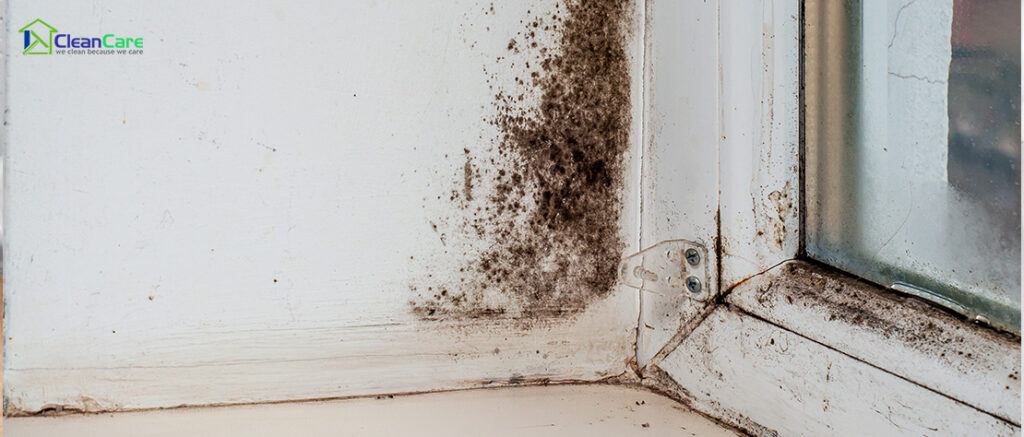
Spaces like basements, attics, crawl spaces, or even behind walls often suffer from limited airflow. These poorly ventilated areas trap humidity, allowing mould and mildew to flourish. Once established, mould releases airborne spores that cause persistent, unpleasant smells.
This is where professional expertise becomes vital. Mould removal requires both surface cleaning and deep sanitisation to ensure spores do not spread. Incorporating targeted musty odour removal techniques, such as antimicrobial treatments, can break the cycle and restore freshness while protecting your family’s health.
Poor Ventilation and Air Circulation
A home that lacks proper ventilation often feels heavy, with stale air lingering in living spaces. Poor airflow not only traps odours but also locks in excess moisture, encouraging mould growth. Over time, this worsens the problem, making musty smell removal more difficult.
Practical solutions include opening windows more frequently, installing exhaust fans in kitchens and bathrooms, or arranging periodic spring cleaning service in Singapore that refreshes your home environment. Good airflow means cleaner, fresher air that supports long-term odour control.
Absorption of Odours by Fabrics and Carpets
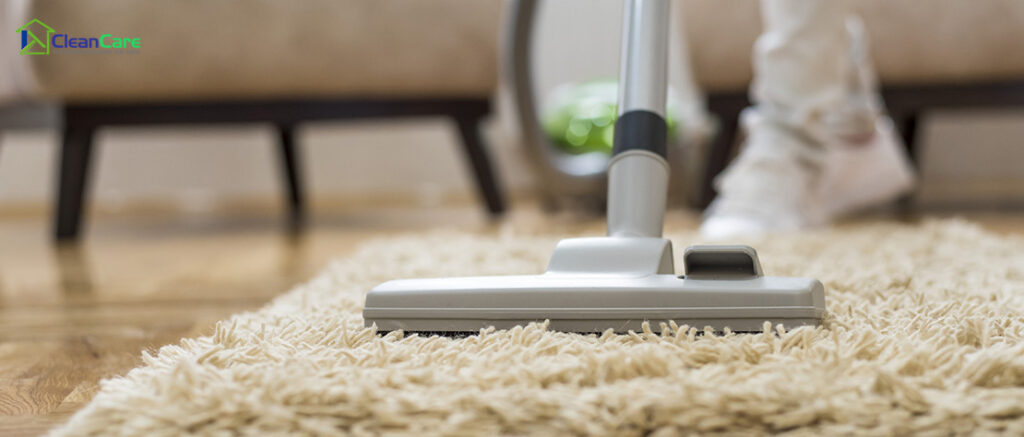
Soft furnishings such as upholstery, rugs, curtains, and bedding act like sponges for airborne odours. Once these particles penetrate deep into fibres, they persist long after the source has been removed. This makes musty smell removal especially challenging in fabric-heavy homes.
Routine vacuuming and fabric maintenance are key, but stubborn smells may require professional fabric sofa cleaning or specialised treatments for carpets. These services go beyond surface care, penetrating deep into fibres to eliminate embedded odours and restore comfort.
Contaminants in HVAC Systems
Air ducts, cooling coils, and filters within HVAC systems often harbour dust, trapped moisture, and even mould colonies. Each time the system is switched on, these contaminants can spread odour-causing particles throughout the house. As a result, homeowners often struggle to pinpoint the actual source of the damp smell in their house environments.
Regular servicing of your HVAC system is essential. Cleaning filters, inspecting ducts, and ensuring coils remain dry all contribute to effective musty smell removal. This step not only freshens the home but also supports healthier indoor air quality, which is vital for families with children or pets.
Conclusion
Musty odours are rarely a surface problem. They usually indicate hidden moisture, mould, or poor ventilation, all of which can escalate if left untreated. By addressing these root causes, you can not only eliminate home odours but also protect your property and loved ones from long-term issues.
While balancing busy schedules, Singapore homeowners who engage with professionals can provide peace of mind. Whether through targeted musty smell removal, specialised upholstery care, or whole-home solutions, expert support ensures that your living environment stays fresh, clean, and safe.
Take the first step today—schedule a consultation with Clean Care Pte. Ltd. and discover how the right cleaning strategies can transform your home into a healthier, odour-free space.


 Login with Google