


Key Takeaways
- Odours are chemically and biologically complex. Lingering smells result from microscopic compounds produced by bacteria, mould, and decaying matter trapped in fabrics.
- Fabric layers trap scents deeply. The structure of upholstery and carpets allows odours to accumulate below the surface, making them difficult to remove with basic cleaning.
- Moisture accelerates odour formation. Spills, humidity, and water damage create an environment where bacteria and mould thrive, intensifying unpleasant smells.
- Professional carpet odour removal goes beyond surface-level solutions. Advanced treatments reach deep into the fibres to remove odours from the root, rather than just masking them temporarily.
Introduction
If you’ve ever noticed a lingering smell in your sofa, office chair, or carpet that refuses to go away, no matter how much you spray air fresheners, you’re not alone. Odours in upholstery and carpets are more than just unpleasant. They are the result of complex chemical and biological processes happening deep within the fibres. For homeowners and businesses in Singapore, where humidity and frequent use of fabric surfaces make smells more persistent, understanding the science of carpet odour removal is the key to achieving lasting freshness.
Unlike temporary fixes that merely mask unpleasant smells, professional cleaning services tackle the problem at its source. Here’s a closer look at why odours persist and how expert treatments, including upholstery smell removal, effectively eliminate them.
The Chemistry of Smells
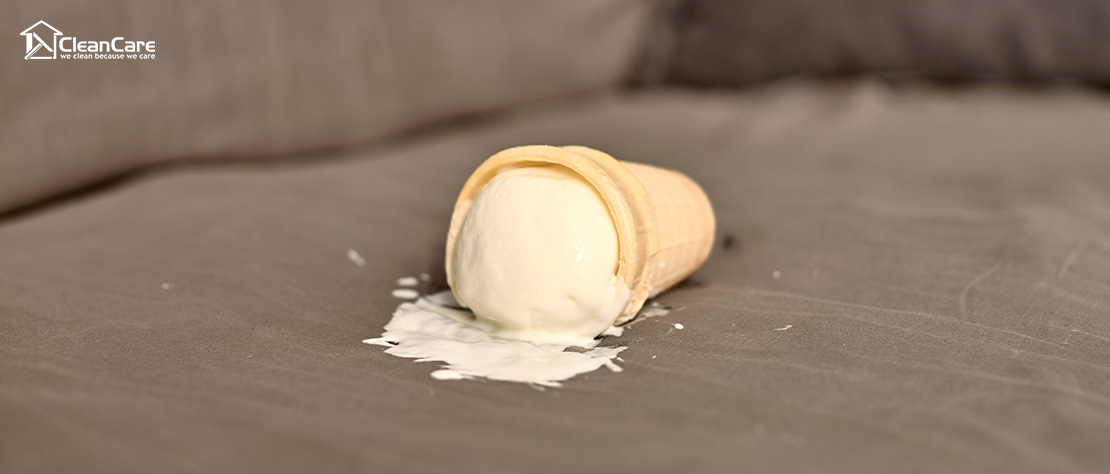
At the core of unpleasant odours are volatile organic compounds (VOCs)—microscopic molecules released by bacteria, mould, food spills, sweat, and even pet accidents. These VOCs bind to fabric fibres and slowly release foul smells into the air.
This explains why simple solutions like scented sprays or opening a window won’t work. They may briefly mask the odour, but the VOCs remain embedded in the fabric. Long-lasting carpet odour removal requires specialised cleaning methods that neutralise these compounds rather than cover them up.
Why Upholstery and Carpets Act Like Sponges
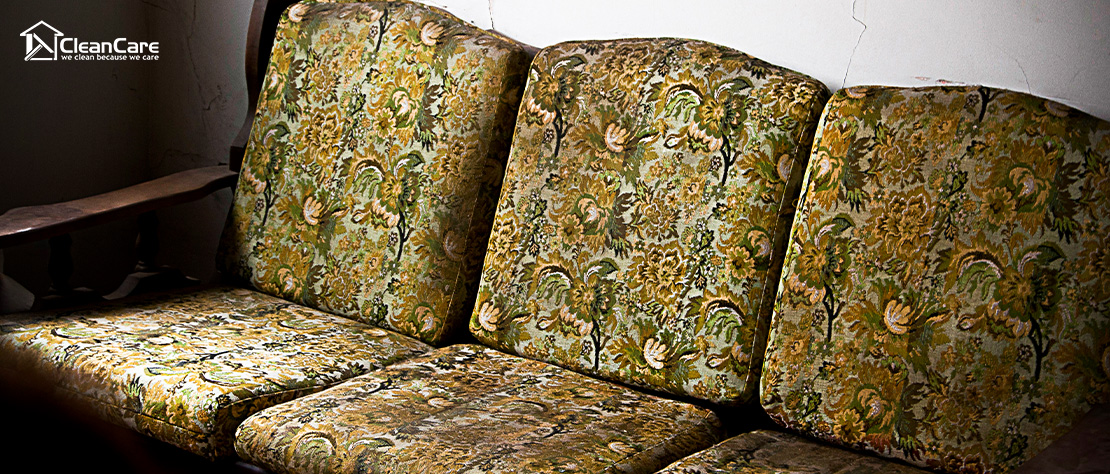
One reason odours persist is the very structure of fabric materials. Upholstery and carpets are designed with multiple layers: The fabric surface, padding, and backing. These layers trap dirt, moisture, and odour-causing particles deep inside, much like how a sponge absorbs a liquid.
Over time, these particles accumulate and intensify, making the odour increasingly noticeable. Even regular vacuuming can’t reach the lower layers where the real problem lies, which is why professional deep fibre cleaning is essential for tackling embedded odours.
The Role of Moisture in Odour Development
Singapore’s tropical climate plays a significant role in worsening fabric odours. High humidity levels, accidental spills, or water damage provide the perfect breeding ground for bacteria and mould. Once these microorganisms settle in, they break down organic matter trapped in the fibres, producing strong, unpleasant smells.
This is particularly problematic in office environments with heavy foot traffic or homes with children and pets. Without intervention, what starts as a minor smell can quickly turn into a persistent issue requiring specialised carpet cleaning services.
Why Some Odours Resist Household Cleaning
Many people try household solutions like baking soda, vinegar, or over-the-counter cleaning sprays. While these methods may provide temporary relief, they rarely solve the problem. That’s because they only clean the surface and fail to penetrate deep into the fabric layers where odour-causing particles reside.
The result? The smell returns within days or even hours. Persistent odours require fabric odour neutralisation techniques designed to break down the molecular structure of VOCs and bacteria, something only expert cleaners can achieve.
How Professional Cleaning Neutralises Odours at the Source
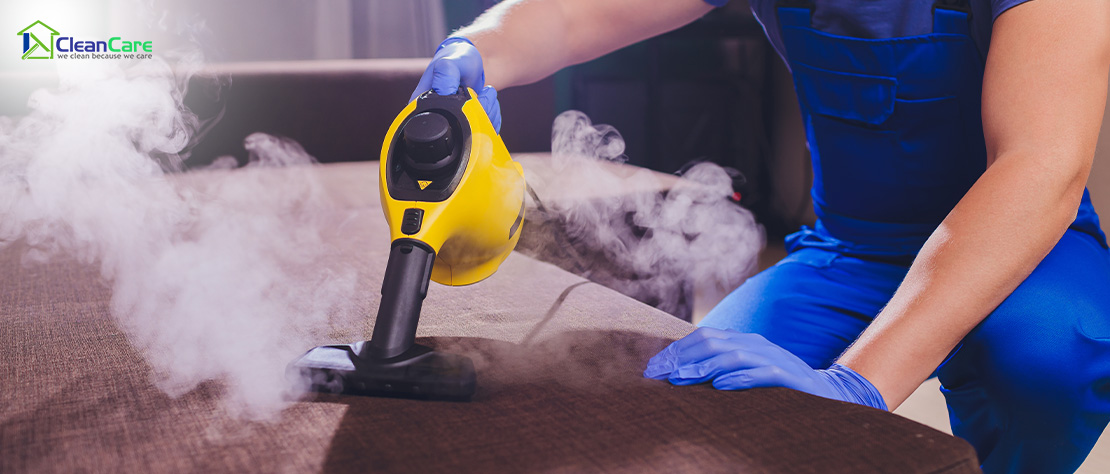
Unlike DIY methods, professional cleaning goes beyond appearances to deliver true freshness. Companies like Clean Care Pte. Ltd. offer expert cleaning services in Singapore and use a combination of advanced methods tailored to each type of fabric and odour source, ensuring effective carpet odour removal:
- Steam Cleaning (Hot Water Extraction): Penetrates deep into carpet and upholstery fibres, loosening trapped dirt and bacteria for thorough removal.
- Enzyme-Based Treatments: Break down organic matter at the molecular level, targeting common odour sources like food, sweat, and pet accidents.
- Specialised Deodorisation: Neutralises odour molecules completely instead of covering them with perfumes, ensuring long-lasting results.
This multi-layered approach ensures odours are eliminated from the source. It’s not just about cleaning, it’s about restoring a truly fresh and healthy environment for both homes and offices.
Conclusion
Odours in carpets and upholstery are more than a nuisance; they’re the outcome of chemical reactions, trapped moisture, and microbial activity. The porous nature of fabrics means smells won’t simply fade away with surface cleaning or air fresheners. That’s why professional carpet odour removal is essential for achieving lasting freshness throughout your home or office.
At Clean Care Pte. Ltd., we go beyond ordinary cleaning. Our team transcends expectations by bringing a refined touch to your belongings, whether it’s preserving the elegance of Persian rugs, refreshing opulent shag rugs, or caring for Italian leather sofas and silk drapes. With meticulous attention to detail, we specialise in safeguarding colours, scents, and textures while eliminating odours at their source. Trusted by schools, offices, and even Changi Airport, we provide tailored cleaning solutions that enhance longevity, hygiene, and well-being.
Don’t let stubborn odours compromise the comfort of your home or the professionalism of your workspace. Experience the epitome of pristine living with Clean Care’s expert cleaning services in Singapore. Contact us today to restore freshness and protect the value of your cherished furnishings.


 Login with Google