


Key Takeaways
- Everyday fabric care often requires the use of lighter cleaning methods, while stronger treatments are reserved for situations with higher health risks.
- Using harsher chemicals or high heat too frequently can damage textiles, leading to fading, fibre weakness, and shortened fabric life.
- Knowing when to apply routine care versus intensive cleaning ensures both safety and fabric preservation in homes and public spaces.
- Professional services provide targeted solutions that balance hygiene control with protection of delicate materials.
Introduction
Keeping fabrics clean is about more than just appearances; it’s about health, hygiene, and ensuring that textiles last longer. Many people in Singapore, from busy professionals to families and even corporate facilities like schools and airports, depend on trusted fabric care solutions to maintain a safe and comfortable environment. Yet one common question persists: What is the difference between sanitising and disinfecting? While these terms are often used interchangeably, they serve very different roles in keeping textiles safe and hygienic. Understanding this distinction helps you make better decisions for both everyday use and high-demand environments.
Defining Sanitising in Fabric Care
Sanitising is the process of lowering the number of germs on fabrics to a level considered safe by public health standards. Unlike disinfecting, which kills germs outright, sanitising focuses on reducing microbial presence rather than eliminating every organism. For example, routine laundry cycles with mild detergents or lower-temperature washes can sanitise fabrics effectively enough for day-to-day wear. This approach balances cleanliness with fabric longevity, making it suitable for households that value both hygiene and care for delicate materials.
Sanitising plays an essential role in cleaning approaches that maintain overall fabric hygiene without resorting to harsher treatments. For everyday items like workwear, school uniforms, or fabric sofas, sanitising is often sufficient to keep fabrics fresh and safe for regular use.
What Disinfecting Means
Disinfecting, on the other hand, takes a more aggressive approach. It kills or neutralises specific pathogens, including bacteria, fungi, and viruses, that can pose significant health risks. This is why understanding the difference between sanitising and disinfecting becomes critical in healthcare settings, childcare facilities, or crowded public spaces.
Disinfecting fabrics usually requires stronger chemicals or high-heat treatments, which go beyond what routine washing achieves. For instance, if someone in the household has been ill, disinfecting ensures that pathogens do not linger on bedsheets or upholstery, which makes fabric sofa cleaning an important step in maintaining a safe environment. Businesses like airlines or schools also rely on disinfecting methods to safeguard against outbreaks and reassure customers of their commitment to safety.
When to Sanitise vs. Disinfect
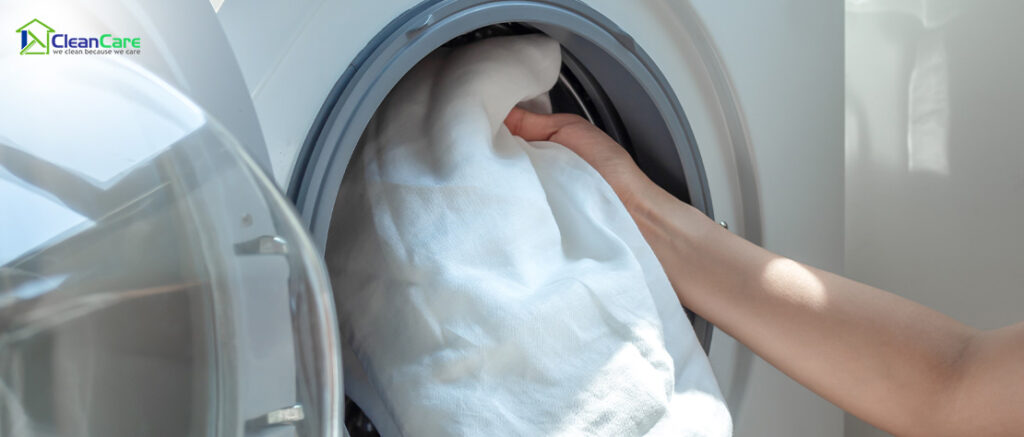
One of the most practical ways to understand the difference between sanitising and disinfecting is by looking at context. For everyday laundry, sanitising is often enough, especially in healthy households where fabrics are exposed to typical daily use. However, disinfecting is necessary in situations with higher risks, such as when fabrics are exposed to bodily fluids, illnesses, or shared in high-traffic environments.
Choosing the right approach between sanitising and disinfecting avoids overusing disinfectants unnecessarily, which can damage fabrics in the long run. For instance, sanitising your clothes after a typical day at the office maintains germ removal effectively, while disinfecting hospital uniforms after a long shift addresses the stricter requirements of infection control.
Impact on Fabric Longevity
Another key point when considering the difference between sanitising and disinfecting is the effect on fabric life. Harsh disinfectants, repeated high-temperature cycles, or chemical-heavy treatments can weaken fibres, dull colours, and alter fabric textures. This is particularly relevant for textiles like upholstery, curtains, or luxury fabrics that are meant to be both functional and aesthetic.
Balancing sanitising and disinfecting ensures that fabrics remain hygienic without sacrificing their durability. With the right care practices, you can maintain a sofa’s soft finish or a uniform’s professional appearance while still protecting health.
The Role of Professional Cleaning in Hygiene Control
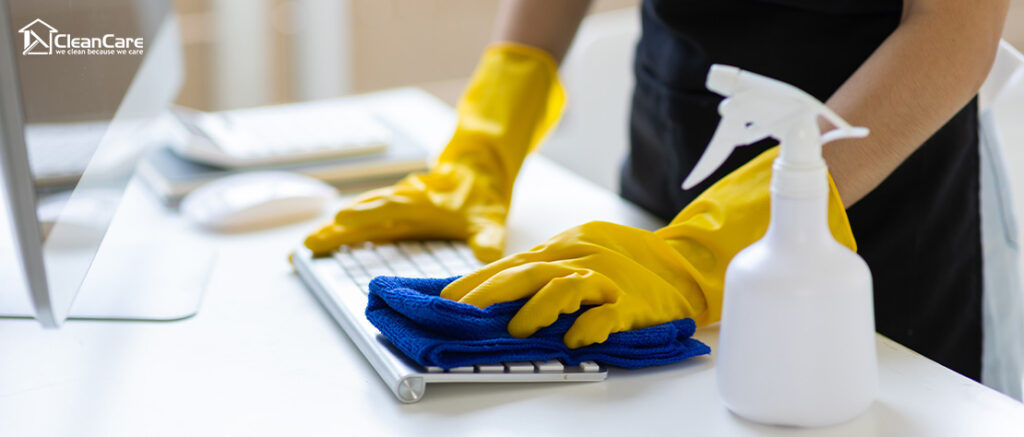
Sometimes, the choice between sanitising and disinfecting is best left to professionals. Specialised cleaners like Clean Care Pte. Ltd. use advanced textile cleaning methods and equipment to target specific pathogens while preserving fabric integrity. For example, when treating upholstered sofas, expert teams apply methods tailored to different materials, ensuring thorough germ control without causing shrinkage or fading.
This professional approach is particularly valuable for corporate clients such as offices, schools, and facilities like Changi Airport, where hygiene standards are non-negotiable. By partnering with trained specialists, businesses and households can ensure higher standards of safety and comfort. If you’re considering outsourcing your cleaning needs, exploring reliable cleaning services in Singapore can help you save time while protecting both health and fabric investments.
Conclusion
In summary, while the terms may sound similar, the difference between sanitising and disinfecting fabrics comes down to purpose and intensity. Sanitising reduces germ levels to a safe standard for daily use, whereas disinfecting eradicates harmful pathogens when higher hygiene control is required. Both approaches are essential, sanitising for routine maintenance and disinfecting for high-risk situations.
For households and businesses in Singapore, striking the right balance is essential to protect health while extending the life of fabrics. When in doubt, professional cleaning support can provide peace of mind with expert care.
If you are unsure whether your fabrics need sanitising or disinfecting, reach out to Clean Care Pte. Ltd. for tailored advice and services. With their expertise, you can safeguard your home or workplace, extend the life of your textiles, and enjoy a healthier environment.


 Login with Google